
What Is the RVEAL Alignment Profile?
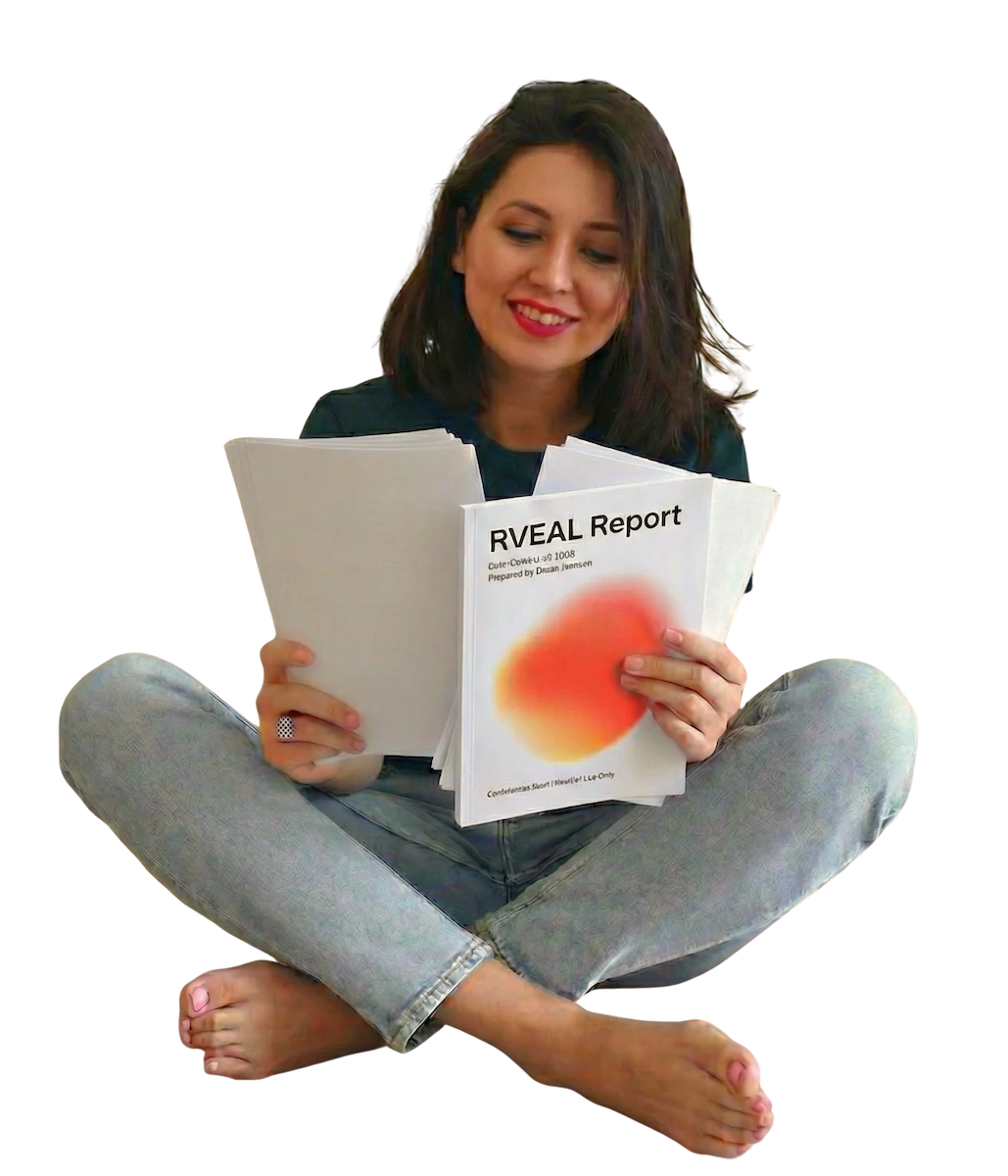
A role can serve a mission you care about and use the skills you have built, yet its daily responsibilities or pace may still be a poor match for you. The RVEAL Alignment Profile helps you examine that part of work. Generated from your answers to the RVEAL assessment, this individual report describes your motivation, working style and pace through three scales: Modes, Energy and Coherence. It also identifies potential blind spots and offers ways to apply what you learn.
What does the RVEAL Alignment Profile measure?
The RVEAL assessment measures Drive. The report introduces it alongside two other parts of career alignment:
- Skills: knowledge and expertise you develop through education, work and life.
- Focus: subjects and goals that capture your attention and commitment.
- Drive: your natural approach to taking action, sustaining effort and working through complex problems.
Skills describe what you can bring to a role, and Focus describes what you care about. Drive helps you consider how you will experience the work every day. Understanding how your motivation, working style and pace meet the daily work is at the heart of finding career alignment.
What do the five RVEAL Modes show?
Modes describe the ways you prefer to work and the kinds of responsibilities you may be drawn to:
- Relation: building connections so people can understand one another and work together.
- Vision: setting a direction and making clear why the work matters.
- Exploration: questioning assumptions and finding options before a decision is made.
- Action: putting decisions into practice and moving work forward.
- Legation: defining processes and systems that help work continue reliably.
Everyone uses all five Modes. Your five scores add up to 100% and show which you prefer to use more often. A lower score does not remove a Mode from your work; it may take more deliberate effort when the task calls for it. That distinction matters when you consider a role: the question is how much of your day will draw on your leading Modes, alongside the other Modes the work requires.
The Mode Axis adds a broader view: whether your preferences lean toward Management's people and delivery work, Innovation's discovery and direction, or Coordination's link between the two. Your leading and supporting Modes give that orientation more detail. Two people can have the same job title and be drawn to different responsibilities within it.
What does Energy show in the Alignment Profile?
Energy describes how you plan and perform work, including the pace you prefer:
- Effectuation: turning an intention into action and sustaining momentum.
- Intensity: how strongly you apply yourself to work, including finding another way forward when progress stalls.
- Prudence: the importance you give to planning and assessing risks before acting.
Each Energy dimension has its own score. Effectuation and Intensity together describe your working pace, while Prudence shows how much weight you give to planning and risk. A role may offer the kind of work you want but demand a pace or level of planning that feels difficult to sustain. These scores help you ask what pace the work demands, how much room there is to plan, and what you tend to do when progress stalls.
What does Coherence compare?
Coherence compares what motivates you with what you feel work expects and how you present yourself:
- Perception: what you feel your work and the people around you expect of you.
- Manifestation: how you present yourself and your capabilities at work.
- Motivation: your highest-scoring Mode, or Modes if several are tied.
These three views can differ. You may be known for work you do well while wanting more opportunity to use the Mode that motivates you. Coherence helps you ask whether that difference reflects a temporary need or a pattern worth changing.
In the fictional sample Alignment Profile, Nadia Rahman's Perception and Motivation are Vision, while her Manifestation is Action. She may be seen as someone who moves quickly, even though purpose and direction motivate her most. If colleagues only see the execution, they may give her more of it. The report suggests making her interest in direction visible when she discusses her work.
How can you use the Alignment Profile?
Looking at Modes, Energy and Coherence together can bring a blind spot into focus. Nadia's high pace, for example, may lead her to start a task before checking what could go wrong. Her profile suggests identifying three risks first. That small pause lets her use her momentum with a clearer plan.
The profile also helps you consider the conditions in which you may do your best work. If autonomy matters to you, ask how much freedom you would have to shape a project. If your preferred pace differs from the team's, ask how deadlines are set and how much time there is to plan.
In your current role, you might use the profile to explain what motivates you and ask for more of that work. Its work themes put everyday names to your leading Modes and pace, so you can recognize relevant responsibilities in a job description or describe them in an interview.
Career alignment becomes easier to judge when you can name what draws you to a role and what its daily work asks of you. The profile gives you a way to bring both into a conversation with a manager or a decision about your next role.

Guy Giguère, creator of the RVEAL framework and cofounder of RVEAL, has four decades of coaching across North America, Europe, and Africa, 100+ talks on labor-market evolution,…
Ready to find career alignment?
Take the assessment and get 3 free coaching sessions with Leo.